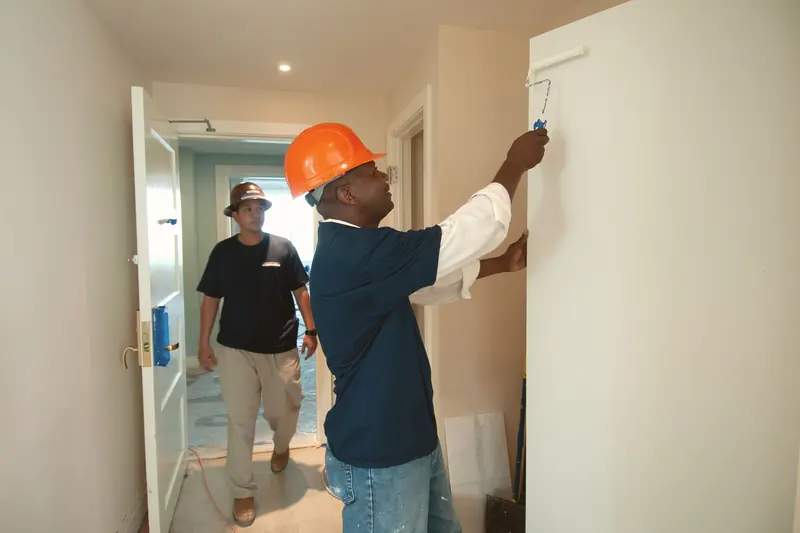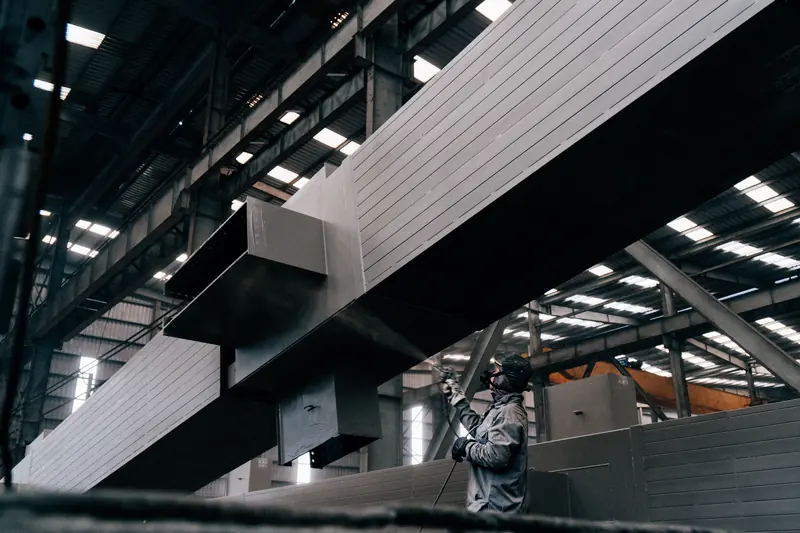
What is the right protective coating for power plants?
The right protective coating for power plants is a multi-coat system matched to each area: epoxy primer and high-build epoxy with a polyurethane topcoat on outdoor structural steel, heat-resistant coatings on hot parts, floor coatings in halls, and intumescent coatings where fire protection is needed. Preparation and shutdown planning decide the life.
Power stations and substations run for years between major shutdowns, so the coating applied during one outage has to last until the next. Steel in boiler houses, coal handling areas, switchyards and cable galleries faces heat, dust, humidity and sometimes fly ash and chemical vapour. This guide explains how to think about protective coating for power plants and substations in India, how to match systems to areas, how to plan around shutdown windows, and what to tell your supplier. It suits plant managers, maintenance heads, EPC contractors, consultants and facility teams working in captive power units, industrial plants with their own generation, and substations across Delhi NCR and nearby belts.
Why protective coating for power plants is a special case
A power plant is not a single environment. It is a collection of very different zones, and each one attacks coatings in its own way.
- Boiler and turbine areas carry high surface temperatures, vibration and oil mist.
- Coal and ash handling brings abrasive dust, moisture and sometimes acidic deposits that sit on steel.
- Outdoor structures such as pipe racks, conveyor galleries and switchyard frames meet 45 degrees C summers, monsoon wetting and smog dust.
- Cooling and water areas keep steel wet or damp for long periods.
- Electrical rooms and substations need clean, dry, safe surfaces and coatings that suit equipment and maintenance practice.
Shutdown time is also limited. A coating that is slow to cure, or that needs perfect weather, may not suit an outage window. This is why the system, the preparation method and the schedule must be planned together.
Matching systems to areas of the plant
The table below gives a general starting point. It is not a specification. Final selection follows the data sheet, the client or consultant specification and the actual condition of the steel.
| Area | Main challenge | General system approach |
|---|---|---|
| Structural steel, outdoors | Sun, humidity, dust | Epoxy primer, high-build epoxy, polyurethane topcoat |
| Conveyor galleries and coal handling | Dust, abrasion, moisture | High-build epoxy system with robust preparation |
| Stacks, flue ducts, hot casings | Heat, condensation | Heat-resistant coating type chosen by measured temperature |
| Pipe racks and pipework | Condensation, splash, edges | Epoxy primer and build coat, topcoat for sunlight |
| Substation steel structures and transformer fittings | Weather, dust, long maintenance gaps | Epoxy and polyurethane system; check client specification |
| Turbine hall and workshop floors | Wheels, oil, cleaning | Floor coating system from the Jotafloor range |
| Structural steel requiring fire rating | Fire resistance | Intumescent coating from the Steelmaster or Jotachar family |
See the wider range on our protective coatings page and sector notes under industrial solutions.
Structural steel and outdoor structures
Most of the steel in a power plant or substation is outdoors, and it needs a durable three-coat system. The usual build is an epoxy primer, such as those in the Penguard family, a high-build epoxy such as the Jotamastic family, and a polyurethane topcoat such as the Hardtop family for sunlight resistance. The epoxy layers give the barrier, and the topcoat keeps gloss and colour for longer.
For repainting old steel, the condition of the existing coating decides everything. Sound, well-bonded old paint may only need cleaning and a compatible coat. Flaking or rusty areas need to be cleaned to bare steel or the level the specification asks for. Some high-build epoxies are suited to tighter surface preparation conditions, which is useful in maintenance work, but the data sheet must confirm it for your case.
Galvanised steel in substations
Transmission and switchyard structures are often hot-dip galvanised. Galvanised steel can last long without paint, and normally the coating is only needed where the zinc layer is damaged, where a colour or extra protection is wanted, or in harsh local exposure. Painting galvanised steel needs a suitable primer and correct cleaning, because standard primers may not bond. We do not guess a product name here. Tell us the condition and VTech will confirm the matching Jotun product and availability from the product range on the call.
Hot surfaces, stacks and boiler areas
Ordinary epoxy and enamel are not suitable for steel that runs hot. Hot parts need a coating type with a temperature rating confirmed on its data sheet. The key is to measure the surface temperature, including peaks, and to choose a coating with a margin above that. Many heat-resistant systems need proper blasting and thin, even coats, and some cure fully only after being heated gradually.
Corrosion under insulation is a common hidden problem on lagged lines. Moisture that gets under cladding and sits against steel can corrode it without any visible sign. The coating chosen under insulation should be selected for that service, and the cladding joints must be sealed well. Do not assume a product suits a given temperature or condition unless the data sheet says so.
Fire protection of structural steel
Where the design requires fire-rated steel, intumescent coatings are applied to structural members. These swell when heated and slow the rise in steel temperature. In the Jotun range, the Steelmaster and Jotachar families serve this purpose. The thickness needed depends on the fire rating required, the steel section and the design, and it is set by the data sheet, the fire engineer and the consultant. Applying intumescent coatings is controlled work: thickness checks, correct primer and correct topcoat all matter, and the system as a whole must match the specification. We can help with the supply side and general guidance, but the fire design remains with the responsible engineer.
Floors in turbine halls, workshops and stores
Floors take hard use from trolleys, forklifts, oil leaks and washdown. Epoxy and related floor systems, such as the Jotafloor range, give a sealed, cleanable and wear-resistant surface when applied on a sound, dry concrete slab. Moisture, laitance, oil contamination and weak concrete are the main reasons floor coatings fail. Test and prepare the slab before ordering material. Choose a finish that suits the loads and the cleaning method used on site.
Planning protective coating for power plants around shutdowns
Coating work in a live plant is mostly a scheduling problem. A good plan covers these points.
- Survey early. Inspect steel and existing coating before the outage to estimate area and condition.
- Fix the system. Agree the system, thickness and preparation standard with the consultant or client before the shutdown starts.
- Order materials ahead. Confirm stock and quantity with the supplier well before the window. Availability depends on stock.
- Prepare in sections. Blast and prime on the same day wherever possible so steel does not rust back in humid air.
- Check weather and surface conditions. Monsoon humidity, dew point and smog dust all affect application and curing.
- Measure thickness. Record dry film thickness for each coat, and keep inspection records for the client.
- Allow curing time. Do not return a coated area to service, or paint over it, before the data sheet intervals are met.
Mistakes to avoid with protective coating for power plants
- Using one system for every area when exposures are different.
- Ordering material the week the shutdown starts and discovering a stock gap.
- Painting over rust, oil, coal dust or ash without proper cleaning.
- Treating a high-temperature surface as normal steel.
- Ignoring edges, weld seams and bolts, which fail first.
- Skipping measurement and records of film thickness.
- Mixing coating brands within one system without checking compatibility.
- Assuming a coating is suitable for a chemical or temperature without the data sheet confirming it.
Questions to ask your supplier
- Is the material genuine and supplied through an authorised channel?
- Can you send the data sheets for each coat, including overcoating intervals?
- What is the recommended thickness for the full system?
- What stock is available now, and what is the lead time for my quantity?
- Can you supply the whole system, from primer to topcoat, from one source?
- Who can discuss technical queries with my applicator?
How to get started: what to tell us when you call
For protective coating for power plants, VTech Solution is an authorised Jotun distributor and dealer at Site IV, Sahibabad Industrial Area, Ghaziabad, serving Delhi, Noida, Greater Noida, Ghaziabad, Gurgaon and Faridabad since 2011. You can read more about us or see the products we supply. Call +91 98111 70042, Monday to Saturday from 10am to 6pm, or use the contact page. Please share:
- The area or asset: structure, conveyor, stack, transformer yard, floor or other.
- Substrate: mild steel, galvanised steel or concrete, and its condition.
- Surface temperature in service, if hot, with peak value.
- Exposure: outdoor, indoor, coal dust, ash, moisture or chemicals.
- Whether fire protection is required, and the rating in your specification.
- Approximate area in square metres.
- Your shutdown dates and the date material is needed.
- Any consultant or client specification, thickness and life targets.
Prices are quoted on the call, based on the system and quantity.
Frequently asked questions
Which coating is used on outdoor structural steel in power plants?
Most outdoor structural steel gets a three-coat system: an epoxy primer, a high-build epoxy coat and a polyurethane topcoat for sunlight resistance. Jotun's Penguard, Jotamastic and Hardtop families are commonly discussed for these roles. Final choice follows the data sheet and your specification.
Can galvanised substation steel be painted?
Yes, but it needs correct cleaning and a primer suited to galvanised steel, because ordinary primers may not bond. Often only damaged areas need attention. Call VTech Solution with the condition and we will confirm the matching Jotun product and availability.
How do I coat steel that runs hot in a boiler area?
Use a heat-resistant coating type chosen from the measured peak surface temperature, with a margin above it. Normal epoxy is not suitable. Confirm the rating on the data sheet, prepare the steel properly and follow the curing instructions.
Do you supply fire protection coatings for structural steel?
Jotun's Steelmaster and Jotachar families are intumescent fire protection coatings. The thickness depends on the required fire rating and steel section, set by the data sheet and your fire engineer or consultant. Call us to check availability for your project.
How early should I order material before a shutdown?
As early as your system is fixed, ideally weeks before the outage. Availability depends on stock, and large quantities may take time to arrange. Call +91 98111 70042 with your area and dates so we can check stock and plan supply.