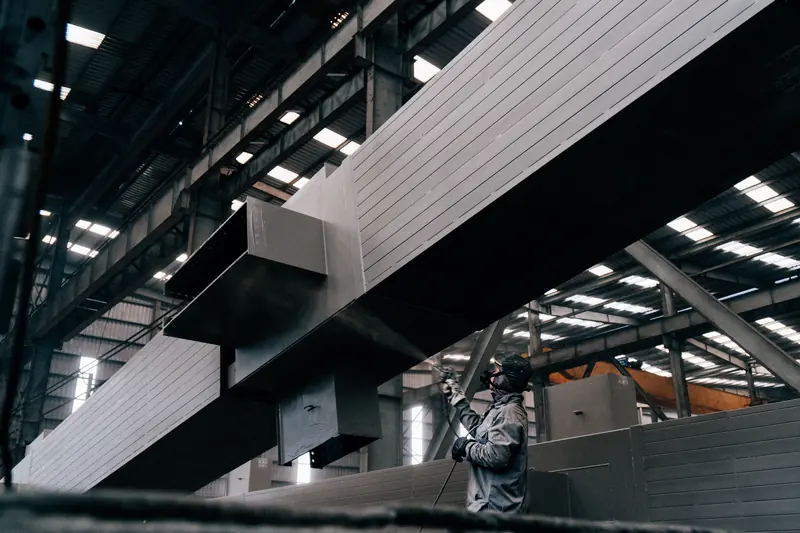
What is the best coating for cement and steel plants?
The best coating for cement and steel plants is a system matched to each zone: high-build epoxy with a polyurethane topcoat on structures exposed to dust and weather, heat-resistant coatings on hot casings and ducts, tough floor systems for abrasion, and intumescent coatings where fire protection is required. Preparation and thickness control decide the life.
Cement works and steel mills are hard on every surface. Fine dust coats steel, moisture turns it into a corrosive paste, heat bakes films, and moving material scrapes away anything weak. In and around Delhi NCR, summers above 45 degrees C, monsoon humidity and winter smog add to the load. This guide explains how to approach the right coating for cement and steel plants: what each zone demands, how to match a system to it, how to plan work around limited shutdowns, and what to tell your supplier. It is written for plant managers, maintenance heads, contractors and consultants.
What makes a coating for cement and steel plants different
Three forces act together in these plants, and a coating must handle all of them in the zone where it is used.
- Dust. Cement dust, raw meal, fly ash, iron ore fines and scale settle on every surface. Dust holds moisture against steel and can be mildly alkaline or acidic depending on the material. It also makes cleaning and repainting harder.
- Heat. Kilns, preheaters, furnaces, ducts, stacks, cooler casings and hot-metal areas run far above ambient temperatures. Ordinary paint cannot survive there.
- Abrasion and impact. Chutes, hoppers, conveyors, floors and walkways suffer scraping and knocks from material and vehicles.
Add vibration, washdown water and occasional chemical splash, and it is easy to see why a single general-purpose paint is a poor choice for a whole plant.
Zone-by-zone guide to coating for cement and steel plants
The table below gives a general starting point only. Final selection depends on measured conditions, the data sheet and your specification.
| Zone | Main stress | General coating approach |
|---|---|---|
| Structural steel and gantries, outdoors | Weather, dust, humidity | Epoxy primer, high-build epoxy, polyurethane topcoat |
| Conveyor galleries and transfer towers | Dust, moisture, abrasion | High-build epoxy system with strong preparation |
| Silos, hoppers and bins (exterior) | Weather, dust | Epoxy system with polyurethane topcoat |
| Kiln shell areas, ducts, stacks | Heat | Heat-resistant coating type chosen by measured temperature |
| Plant floors and walkways | Wheel traffic, abrasion, spills | Floor coating system from the Jotafloor range |
| Structural steel needing fire rating | Fire | Intumescent coating from the Steelmaster or Jotachar family |
| Pipework and utility areas | Condensation, splash | Epoxy primer and build coat, topcoat for sunlight |
See the product families on our protective coatings page and sector notes under industrial solutions.
Structural steel, conveyors and silos
Most surface area in a plant is steel that sits at normal temperatures but is covered in dust. A durable system here uses an epoxy primer such as those in the Penguard family, a high-build epoxy such as the Jotamastic family, and a polyurethane topcoat such as the Hardtop family on outdoor surfaces. The thick epoxy layer is the main defence against moisture held under dust. The topcoat resists sunlight and keeps colour so that surfaces stay easy to inspect and clean.
In maintenance repainting, you often cannot achieve perfect blasting on every member. Some high-build epoxies are designed to tolerate less ideal preparation, but the data sheet must confirm it for your case. In all cases, remove loose rust, scale, oil and caked dust, and treat welds and edges with a brush-applied stripe coat before the full coats.
Hot zones: kilns, ducts, stacks and furnace casings
Heat is where the wrong choice fails fastest. Ordinary epoxy and enamel will soften, blister or burn on hot steel. Hot surfaces need a coating type with a temperature rating confirmed on its data sheet. For zinc-rich, silicone-based or other specialist heat-resistant types, we do not guess product names. VTech will confirm the matching Jotun product and its availability from the product range on the call.
- Measure the surface temperature, including peak values, not just the process figure.
- Choose a coating rated comfortably above the peak.
- Apply thin, even coats and follow the curing instructions, since some coatings need gradual heating.
- Plan the work for a shutdown, because most coatings cannot be applied on a running hot surface.
- Do not assume a coating suits acid condensate or any chemical unless the data sheet says so.
Floors and walkways under abrasion
Plant floors take wheel loads, dragging, dropped material and spills. A thin paint film will wear through in weeks. Industrial floor systems, such as the Jotafloor range, are built to give a thicker, harder, sealed surface. Whether a lighter coating or a thicker screed-type system is right depends on the traffic, the load and how clean the floor must be.
Floors fail mostly because of the slab, not the coating. Check these points before ordering.
- Strength of the concrete. Weak or dusty surfaces must be ground or treated first.
- Moisture. A damp slab can blister the coating. Test the slab before application.
- Oil and contamination. Remove it properly or the coating will not bond.
- Cracks and joints. Repair cracks and plan how joints will be treated.
- Cure time. Allow the full time before heavy traffic returns.
Fire protection of structural steel
Where the design requires fire-rated structural steel, intumescent coatings are used. In the Jotun range, the Steelmaster and Jotachar families serve this purpose. The coating swells in a fire and slows the temperature rise in the steel. The thickness needed depends on the fire rating required and the steel section, and is determined from the data sheet, the consultant and the fire engineer. Do not choose thickness by guess. Remember that fire protection is a separate need from heat-resistant coatings used on hot service surfaces.
Surface preparation and dust control
In cement and steel plants, preparation is half the job. Dust is both the cause of corrosion and the enemy of adhesion.
- Clean off caked dust and deposits by washing or scraping before any surface preparation starts.
- Remove oil and grease with a solvent or detergent clean, rinse where required and let surfaces dry.
- Use abrasive blasting where the specification calls for it. A standard such as ISO 8501-1 Sa 2.5 is a common target for demanding exposure. Power-tool cleaning gives a lower standard for lighter duty.
- Remove blasting dust and plant dust before priming, using vacuum or clean air.
- Prime the same day as blasting wherever possible, because freshly blasted steel rusts fast in humid air.
- Protect wet paint from dust. In an operating plant, screens, timing and cleaning of the area before painting help a lot.
Planning coating work for cement and steel plants
Production plants allow only short windows for painting, so planning is the key to getting a good result.
- Survey and zone the plant. List areas by exposure: weather, dust, heat, abrasion, fire.
- Set the system and thickness for each zone. Agree with your consultant or client before the shutdown.
- Confirm stock early. Availability depends on stock, so order well ahead of the window.
- Match work to weather. Avoid painting hot steel in midday sun in summer and damp steel in the monsoon.
- Record thickness. Use a dry film thickness gauge after each coat and keep records.
- Respect overcoating intervals. Both minimum and maximum times on the data sheet matter.
Mistakes to avoid when choosing coating for cement and steel plants
- Using one coating for the whole plant regardless of heat, dust and abrasion.
- Painting over caked dust, rust or oil to save time.
- Applying a normal paint to a hot casing.
- Choosing by price per litre and not by cost per square metre at the required thickness.
- Applying coats too thick or too thin, and not measuring either.
- Returning floors to heavy traffic before the cure is complete.
- Leaving edges, welds and bolt heads without a stripe coat.
- Assuming a product suits a chemical or temperature without data sheet confirmation.
Why buy from VTech Solution
VTech Solution is an authorised Jotun distributor and dealer, listed on Jotun India’s dealer locator under the protective category. Our office is at Site IV, Sahibabad Industrial Area, Ghaziabad, and we have supplied customers across Delhi, Noida, Greater Noida, Ghaziabad, Gurgaon and Faridabad since 2011. For coating for cement and steel plants, we can discuss the data sheets, suggest a system for each zone and check stock before your shutdown. Learn more on the about page or see the products page.
How to get started: what to tell us when you call
You do not need a full specification to begin. Call +91 98111 70042, Monday to Saturday from 10am to 6pm, or use the contact page. Please have these details ready:
- The zone or asset: structure, conveyor, silo, kiln area, duct, stack, floor or other.
- Substrate and condition: bare steel, painted, rusted, galvanised or concrete.
- Surface temperature, with peak value, if the area is hot.
- Main stress: dust, moisture, abrasion, chemical splash or a mix.
- Whether fire protection is required and the rating in your specification.
- Preparation method planned and who will apply the coating.
- Approximate area in square metres for each zone.
- Your shutdown dates and the date you need the material.
Prices are quoted on the call based on the system and quantity.
Frequently asked questions
Which coating suits steel structures in a dusty cement plant?
A multi-coat system usually works best: an epoxy primer, a high-build epoxy for moisture barrier, and a polyurethane topcoat outdoors. Clean caked dust off first and prepare the steel to your specification. Final choice follows the product data sheet and your consultant.
Can I use normal epoxy paint on kiln or furnace casings?
No. Normal epoxy and enamel soften, blister or burn on hot steel. Use a coating type with a temperature rating confirmed on its data sheet, chosen from the measured peak surface temperature. VTech will confirm the matching Jotun product and availability on the call.
What floor coating works for heavy abrasion in a steel plant?
Industrial floor systems such as the Jotafloor range are made for harder wear than ordinary paint. The right build depends on traffic, load and cleaning method. The slab must be sound, dry and free of oil. Share your floor details when you call.
How is fire protection of structural steel decided?
Intumescent coatings such as Jotun's Steelmaster and Jotachar families are used. The required thickness depends on the fire rating and the steel section, and is set by the data sheet, your consultant and the fire engineer, not by estimate.
How much does a plant coating system cost?
Prices are not published online because they depend on the system, area and quantity. Call VTech Solution on +91 98111 70042 with your zones, surface condition and area in square metres, and we will check stock and quote on the call.