Which industrial enamel paint for machinery should you use?
Choose industrial enamel paint for machinery based on the metal, working temperature, oil or chemical contact and wear. Clean the surface, apply a compatible primer, then a hard-wearing enamel or epoxy finish. Machines that run hot or touch coolants need a coating checked against the data sheet limits.
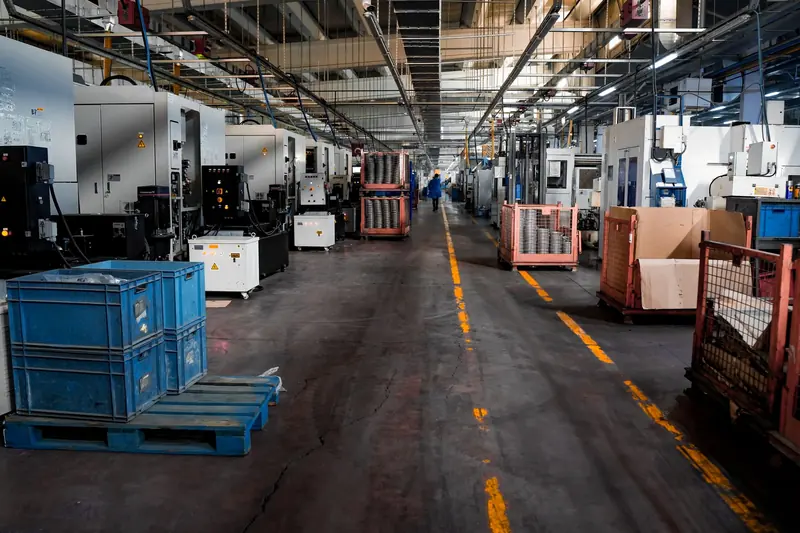
Machines are painted for three reasons: protection, appearance and safety. A lathe, press, compressor, conveyor, boiler or packaging line that leaves the maker looking new will soon show chipped paint, oil stains and rust in a busy Indian factory. Repainting is often left until a customer audit or a plant inspection, and then done in a hurry. Getting industrial enamel paint for machinery right is not complicated if you follow a sensible order: understand the equipment, prepare the surface, choose a primer and finish that work together, and apply them in the correct conditions.
What industrial enamel actually is
The word enamel is used loosely in the market. Traditionally it means a paint that dries to a hard, glossy film. In industry, the term covers several chemistries: alkyd enamels, which are common and economical; modified alkyd or synthetic enamels with better weather and gloss retention; and higher-performance finishes such as epoxy and polyurethane, which are tougher against chemicals and wear. Buyers sometimes expect all of these to perform the same. They do not. A general synthetic enamel is suitable for ordinary indoor machinery in moderate conditions. An epoxy or polyurethane system is a better choice where oil, coolant, washing or knocks are frequent.
Ask your supplier which type is being offered, and compare like with like. A low price for an alkyd enamel and a higher price for an epoxy system are not a fair comparison unless the performance needs of the machine are the same.
Match the paint to the machine’s working life
Start by listing how the equipment operates. The table below shows common machinery in Delhi NCR plants and what to think about.
| Equipment | Key condition | What to look for in the paint |
|---|---|---|
| Machine tools, lathes, milling machines | Cutting oil, coolant splash, knocks | Oil-resistant, hard finish, good primer adhesion |
| Presses, hydraulic equipment | Oil leaks, vibration | Tough film, oil resistance |
| Compressors, pumps, motors | Moderate heat, oil, dust | Heat tolerance as per data sheet, easy to clean |
| Conveyors and structural frames | Abrasion, dust, washing | Epoxy primer and durable topcoat |
| Boilers, furnaces, hot lines | High temperature | Heat-resistant coating chosen for the actual temperature |
| Outdoor equipment, DG sets, cooling towers | Sun, rain, humidity | Weather-resistant polyurethane or similar finish |
Temperature is the factor that is most often ignored. A general enamel is not meant for hot surfaces. Painting an engine casing or a steam line with ordinary enamel gives discolouration, blistering and peeling in a short time. Measure or confirm the surface temperature and tell your supplier. The data sheet limits for each product must be respected.
Surface preparation for industrial enamel paint for machinery
Most peeling on machines comes from oil, rust and poor cleaning. Follow this sequence.
- Isolate and lock out the machine. Safety comes before painting.
- Remove oil and grease with a suitable degreaser, and rinse where required. Paint will not stick to an oily surface.
- Remove loose paint, rust and scale by scraping, wire brushing, sanding or grinding. For heavily rusted parts, blasting is better where it is practical.
- Feather the edges of sound old paint so that the new coat does not show ridges.
- Wipe off dust. Cover nameplates, gauges, bearings, lubrication points, cables and moving parts with masking.
- Apply primer soon after cleaning, on a dry surface.
Cast iron and cast steel parts often hold oil in their pores. Even after cleaning, oil may bleed out. A second cleaning pass or a sealing primer is sometimes needed. If you plan to repaint a machine that has been in service for years, assume that hidden oil is present.
Primer, enamel and topcoat as a system
A primer does the grip and corrosion work, and the enamel provides colour, gloss and surface toughness. Choose a primer compatible with your finish and your substrate. Epoxy primers are widely used on steel and cast iron for industrial work, and Jotun’s Penguard epoxy range is one family that our team discusses with customers, depending on stock. For tough or exposed equipment, a polyurethane finish such as Hardtop can be used over an epoxy primer for better weather and colour retention.
Do not mix products from different makers without checking compatibility. Strong solvents in a topcoat can lift an incompatible primer. For two-pack products, measure the base and hardener in the exact ratio given on the pack, and use the mixed paint within its pot life. Never top up a mixed pot with fresh material the next day.
Application methods and thickness
Industrial enamel paint for machinery can be applied by brush, roller or spray. Spray gives the best finish on large, flat items such as panels and covers. Brush and roller suit small items, corners and touch-up. Use the correct thinner in the right quantity only. Too much thinner gives a thin film that runs and gives weak protection. Apply thin, even coats rather than one heavy coat, and respect the drying time between coats. Check the data sheet for recommended film thickness. Hot and dusty workshop air in summer can cause dry spray and dust nibs, so mask nearby work and avoid painting in a place where grinding is under way.
Colour coding and safety marking
Many plants follow a colour scheme for machine bodies, guards, moving parts and emergency stops. Decide the scheme before ordering so that you buy the right shades in the right quantity. Bright yellow and black stripes on edges, red for guards and emergency controls, and clear numbering help workers and auditors. Order extra for touch-up so that colours match later.
Planning a machinery repaint without stopping production
The biggest practical issue in repainting equipment is downtime. Paint needs drying time, and some two-pack finishes need a full day or more before the machine can be used or handled. Plan the work around maintenance windows, Sundays, festival shutdowns or the period between production orders. Paint parts that can be removed, such as guards, covers and panels, in a separate area, where dust and overspray are controlled, and refit them afterwards. This gives a cleaner finish and shortens the time the machine is out of service.
For large plants in Sahibabad, Loni, Noida Sector 63 and Greater Noida, it often helps to paint in batches: a few machines per week, in a fixed order, with the same team and the same materials. This builds consistency and lets you correct any mistakes after the first machine, before the whole line is done. You can read about wider plant-level planning on our industrial solutions page.
Estimating quantity for machinery
Machines have complex shapes, so estimating surface area by length times width is unreliable. Measure each machine roughly in square feet by treating it as a set of boxes and cylinders, and add a margin for edges, fixtures and wastage. Spray application wastes more material than brush work. Ask your supplier how much extra to allow for your method. It is usually better to order slightly more than needed than to run out and find that the second batch has a slight shade difference.
Why proper industrial enamel paint for machinery saves money
A repainted machine is not just cosmetic. Paint keeps rust away from machined parts, prevents oil from soaking into castings, and makes leaks easy to see on a clean surface. A machine that looks cared for also tends to be cared for by operators, who are less likely to put tools on it and more likely to wipe it down. Spending a little more on proper preparation and a suitable system usually pays back in longer repaint intervals and lower rework. Choosing industrial enamel paint for machinery by price alone, without checking the surface and the duty, is the most common reason machines need repainting again within a year.
Common problems and their causes
- Peeling in sheets: usually oil or dust on the surface, or paint applied over a glossy old coat without scuff-sanding.
- Bubbles and blisters: moisture or solvent trapped, or painting on a hot surface.
- Rust spots through new paint: rust left on the surface, or thin film on edges and welds.
- Soft film that stays tacky: wrong mixing ratio, too much thinner or painting in cold, damp weather.
- Cracking: film too thick, or an incompatible hard coat over a soft one.
- Colour mismatch: different batches or different makers used for repairs.
Special cases: heat, chemicals and food areas
Equipment near furnaces, ovens, exhausts or steam lines needs a coating rated for its operating temperature, and the surface preparation and curing method may differ from normal enamel. Equipment in contact with acids, alkalis or solvents needs chemical-resistant coatings chosen for the specific chemical. Machinery in food, pharma or clean areas may need paints that are easy to clean and suitable for the hygiene rules of the process. Do not guess in these cases. Share the details with your supplier and ask for the data sheet limits in writing. We do not claim approvals for any product beyond what the manufacturer’s documents state.
Supply, stock and support in Delhi NCR
VTech Solution is an authorised Jotun distributor and dealer at Site IV, Sahibabad Industrial Area, Ghaziabad. We serve workshops, factories and maintenance teams in Delhi, Noida, Greater Noida, Gurgaon, Faridabad and nearby industrial areas. Our products page lists the main ranges, and our team can help you select from them. Availability depends on stock, and prices depend on the product, pack size and current rates, so we confirm both on the call.
How to get started: what to tell us when you call
For a quick, accurate recommendation of industrial enamel paint for machinery, have these details ready: type of machine, material of the body (steel, cast iron, aluminium), working temperature, exposure to oil or chemicals, indoor or outdoor location, approximate surface area in square feet, and the colour required. Tell us whether the old paint is intact or peeling, and whether you can blast, sand or only hand-clean. Mention your deadline, especially if the work depends on a planned shutdown.
We will suggest a primer and finish, share the data sheets and prepare a quotation. Call +91 98111 70042 or send your requirement through our contact page.
Frequently asked questions
Can I use ordinary enamel on hot machinery?
No. General enamels are not made for high surface temperatures and will discolour, blister or peel. Use a heat-resistant coating chosen for the actual operating temperature, and confirm limits and curing requirements on the product data sheet.
Do I need a primer before enamel on a machine?
Usually yes. On bare or rusted steel and cast iron, a suitable primer gives adhesion and corrosion protection. Painting enamel directly on bare metal often leads to early peeling and rust. Choose a primer compatible with the finish.
How do I remove oil before painting machine parts?
Use a suitable degreaser or solvent cleaner and wipe with clean cloth until no oil film remains. Cast parts can bleed oil later, so a second cleaning pass is useful. Paint will not hold on an oily surface.
Is epoxy better than enamel for machinery?
Epoxy is generally tougher against oil, chemicals and wear, while general enamel is simpler and economical for light-duty use. Many industrial systems use epoxy primer with a polyurethane or enamel finish, depending on exposure.
Can machine paint be matched to an existing colour?
Colour matching depends on the product and shade range. Give the existing shade code or a sample, and keep batch records for later touch-up. Availability of shades depends on stock, so confirm with us when you call.