What is the best industrial paint for factories in Ghaziabad?
There is no single best paint. Industrial paint for factories in Ghaziabad should be chosen area by area: epoxy systems for structural steel and floors, polyurethane topcoats for exposed steel, suitable roof coatings for sheds, and suitable coatings for walls and boundary structures. The choice depends on exposure, surface and budget.
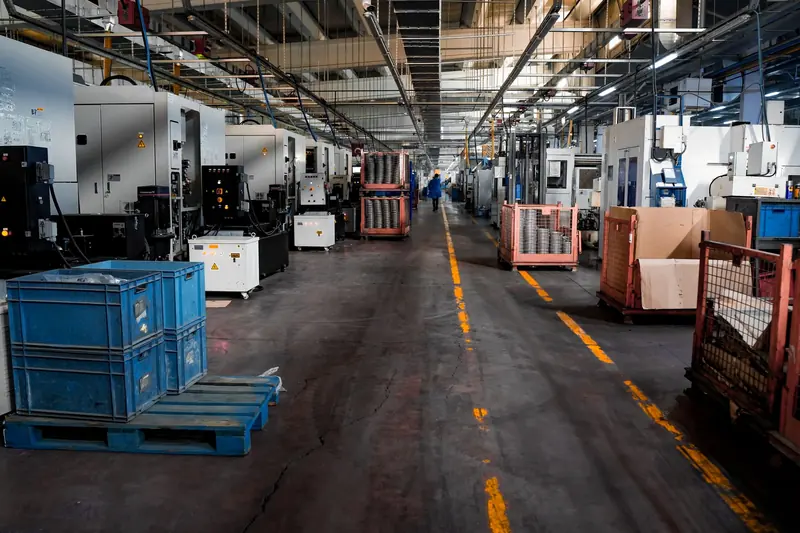
A factory is not one painting job. It is a group of different jobs under one boundary wall: roof sheets, steel columns, production floors, loading docks, boundary walls, offices, pipes, tanks and machinery. Each area faces different heat, moisture, chemicals and wear. This article explains how to plan industrial paint for factories in Ghaziabad, Sahibabad, Loni and nearby industrial areas, so that you spend on the right product in the right place and avoid repainting the same wall twice in two years.
What makes Ghaziabad factories hard on paint
Ghaziabad and the Sahibabad Industrial Area sit in a dense industrial belt with heavy truck traffic, many foundries, forging units, chemical and plastic units, and steel fabrication shops. The air carries dust, smoke, oil mist and fine metal particles. In winter, smog traps this pollution close to the ground and it settles on every surface. In summer, temperatures above 45 degrees Celsius heat roof sheets and exposed steel so much that they are hard to touch, which stresses the paint film. The monsoon then brings humidity and rain, and water finds every crack, weld and bolt.
Because of this, a paint that looks fine in an office can chalk, peel or blister quickly on a factory. The right industrial paint for factories in Ghaziabad must resist dirt pickup, weather, abrasion and in some zones, chemicals and oil.
A plan for each area of the factory
Walk the plant with a notebook and list every area separately. The table below shows a practical way to think about it.
| Area | Main problem | Coating approach |
|---|---|---|
| Structural steel, columns, trusses | Rust, condensation | Epoxy primer, build coat, polyurethane topcoat |
| Roof sheets | Heat, rust at laps and fasteners | Roof-suitable protective coating after cleaning and spot priming |
| Production floors | Wheel traffic, oil, dust | Epoxy floor system such as Jotafloor, chosen by load and chemical exposure |
| Pipes, tanks, ducts | Corrosion, process temperature | System based on contents and temperature |
| Machinery | Oil, knocks, heat | Industrial enamel or epoxy suited to the equipment |
Not every area needs the most expensive system. Spend more where failure is costly or access is difficult, and choose simpler finishes for low-risk areas. Our industrial solutions page explains common choices, and our team can match them to your plant.
Steel structures and sheds first
In most factories the steel frame is the largest asset. Treat it first. Clean off rust, scale, oil and loose paint to the specified grade, then apply a protective primer, a build coat where needed and a durable topcoat. Pay attention to column bases where washing water and spills collect, to roof purlins where condensation drips, and to the junctions of beams and plates where dirt sits. For roof sheets, laps, screws and ridge lines rust first. Spot-treat these before any full coat.
If your shed is a pre-engineered building, it has its own concerns about coatings and fasteners, which are covered in a separate guide on protective coatings for PEB sheds.
Floors in production and storage areas
Concrete floors dust, crack and absorb oil. An epoxy floor coating seals the surface, makes cleaning easier and improves visibility in the bay. The system depends on the traffic: forklifts and pallet trucks need a tougher build than foot traffic. The slab must be dry, free of laitance and oil, and strong enough to hold the coating. In the monsoon, rising moisture in a ground-supported slab can lift a floor coating, so moisture should be checked before application.
For floor jobs, mention the load type, chemical spills, wash-down method and whether the area can be closed for the curing time. Jotafloor products are used for such work, subject to stock and the data sheet recommendations.
Walls, boundary and offices
How to budget industrial paint for factories in Ghaziabad
Budgeting is easier when you separate the cost of paint from the cost of everything around it. For most industrial jobs, material is only one part. Access equipment such as scaffolding or mobile platforms, surface preparation, labour, safety arrangements and downtime of the area all add to the total. A cheap paint on a poorly prepared surface wastes the whole spend, while a good system on a well-prepared surface gives a longer interval before the next painting cycle.
Work out the cost per year of protection and not just the cost per job. If a better system doubles the gap between repaints, it often pays for itself, especially on roofs and high steel where access is expensive. Ask your supplier for options at two levels, for example a standard system and a heavier system, and decide area by area. Exact rates are quoted on the call, because they depend on the product, pack size and current rates.
Estimating the area correctly
Measure in square feet and remember that steel sections have more surface than their floor plan suggests. Trusses, purlins, bracing and pipes add up quickly. Roof sheets with corrugations have more surface than the flat plan area, so your measurement should allow for the profile. When in doubt, share drawings or photographs and we can help you work out a sensible quantity, including a margin for wastage and touch-up.
Questions to ask before you finalise the supplier and system
- Is the product suitable for the temperature and chemical exposure in my area of the plant?
- How long must I wait between coats, and what happens if I miss the window in cool or humid weather?
- What is the recommended thickness, and how will it be checked?
- Do I need a separate thinner or cleaner, and is it included in the quote?
- Can the same supplier provide floor, steel and wall products so batches and advice are consistent?
- What is the stock position, and when can the first delivery reach my plant?
Write the answers down and share them with your project engineer and the painting contractor. This simple step prevents the usual disagreements when something goes wrong, because everyone has worked from the same data sheet.
Weather and timing in the Ghaziabad belt
Local weather affects every coat. Surface temperature on a steel roof in May or June can be far higher than air temperature, and paint applied on a very hot surface can dry too fast, trap solvent and blister. In the monsoon, even when it is not raining, relative humidity stays high and surfaces stay damp in the morning. In December and January, fog and low night temperatures can bring the steel temperature near the dew point, so condensation forms on the surface without anyone noticing. Good contractors check the surface temperature and humidity at the start of each shift and stop work when the limits in the data sheet are not met.
The best plan is to start exterior steel and roof work after the monsoon, finish before peak summer heat, and keep indoor and floor work for periods when production allows closed areas.
Safety and compliance markings
Factories also need floor markings, safety colour coding for pipes, hazard stripes and signage. These are small areas but important for audits and for worker safety. Use durable paints that resist wheel traffic and cleaning. If your factory has fire protection needs for structural steel, consult the National Building Code of India 2016, Part 4, and your fire consultant. Intumescent coatings such as Steelmaster and Jotachar are used in some projects for fire protection, but the rating, thickness and approvals depend on the project and must be confirmed with the specifier.
Scheduling the work around production
Factory painting rarely allows a full shutdown. Plan the work in zones. Start with outdoor structures in the dry season from October to March when humidity is lower, and avoid peak summer afternoons when surface temperatures are too high for many products. Floors need closed areas for curing. Roof work needs dry spells and safe access with proper fall protection. Give your supplier the schedule early, so that material arrives before each zone starts and sits for the shortest possible time.
Mistakes to avoid
- Painting the whole plant with the same product to save time.
- Starting a roof or exterior job just before the monsoon.
- Ignoring surface preparation because the production schedule is tight.
- Buying all the material at once without storage space, then letting the tins sit in heat.
- Not keeping a record of products and batches used in each area for the next maintenance cycle.
Buying industrial paint for factories in Ghaziabad from a local dealer
VTech Solution is an authorised Jotun distributor and dealer located at Site IV, Sahibabad Industrial Area, Ghaziabad. Many of our customers are within a short drive: factories in Sahibabad, Loni, Meerut Road, Surajpur and Greater Noida, as well as plants in Noida, Faridabad, Manesar and Bawana. Being close means faster delivery and quicker answers when a job is under way. You can learn more about the company on our about page. Availability depends on stock and prices depend on the product, pack size and current rates, so we confirm both on the call.
How to get started: what to tell us when you call
Prepare a short list for your call. Note the type of factory and products made, the areas to be painted, approximate area of each in square feet, and current condition of the surface. Mention whether the work is new or repainting, the dates available, and any chemicals, oil or heat the surface meets. If you have photographs of rust, peeling or damp, keep them ready to share.
You can call +91 98111 70042 to speak with our team, or send details through the contact page. We will suggest a coating plan for each area, share the data sheets and give a quotation based on current rates.
Frequently asked questions
Which paint is suitable for a factory floor in Ghaziabad?
Epoxy floor coatings are widely used on factory floors because they seal concrete and resist wheel traffic and oil. The correct system depends on load, chemicals and slab condition. Jotafloor products can be discussed with our team subject to stock and data sheets.
When is the best time to paint a factory in Ghaziabad?
The drier months, roughly October to March, are usually better because humidity is lower. Avoid peak summer afternoons and the monsoon. Always check the product data sheet for allowed temperature and humidity limits. Always confirm the allowed conditions on the data sheet first.
Can one paint be used for the whole factory?
Usually no. Roofs, steel, floors, walls and machinery face different conditions and need different coatings. Choosing area by area gives better life and avoids paying for high-performance paint where it is not needed. Ask us to review your drawings and photographs first.
Do you supply factories outside Ghaziabad?
Yes. VTech Solution supplies industrial customers across Delhi NCR, including Noida, Greater Noida, Gurgaon, Faridabad, Manesar and Bawana. Delivery time depends on stock, quantity and location, and is confirmed when you place the enquiry. Confirm the delivery date when you place the order.
How do I get a quotation for factory painting material?
Call or write with the areas, approximate square feet, surface condition and target dates. We suggest a coating system for each area and quote based on current rates and pack sizes. Prices are not fixed in advance because they depend on the products chosen.