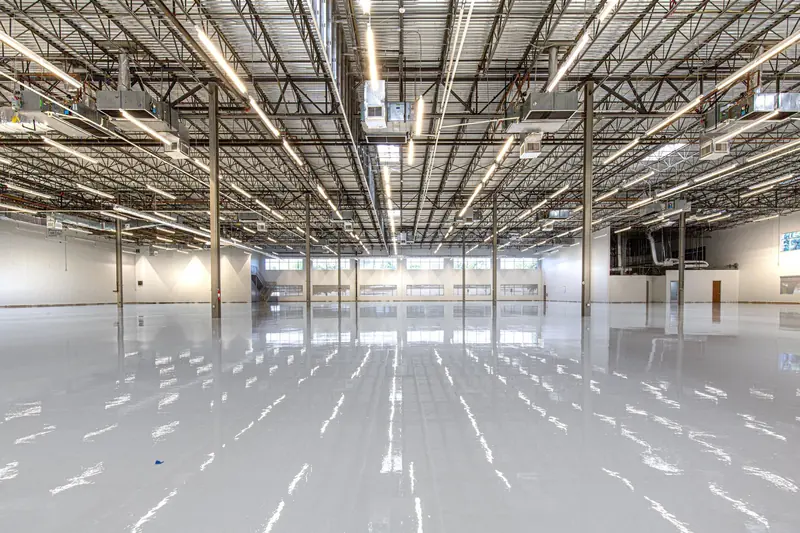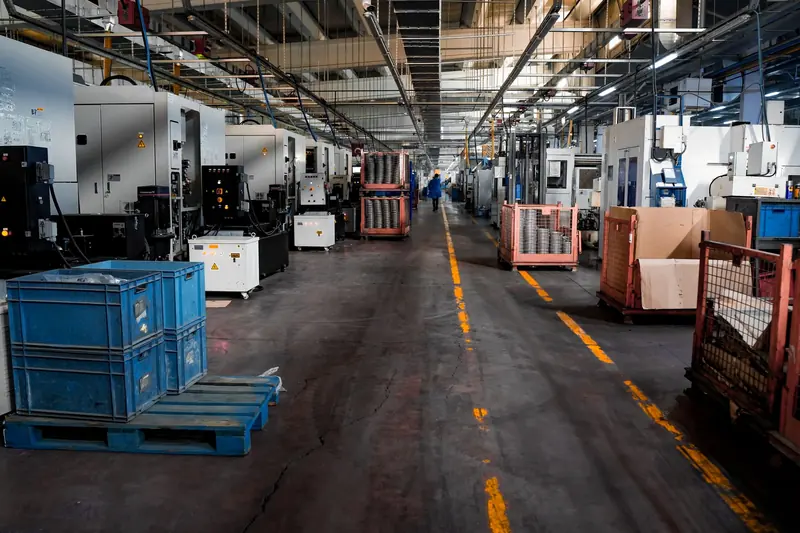
What is epoxy coating for parking and where is it used?
Epoxy coating for parking is a hard-wearing resin finish applied over concrete in basements, stilt levels, driveways, ramps and factory vehicle bays. It controls dust, resists oil and tyre marks, improves light reflection, and allows clear bay and direction markings.
Walk into a basement car park in Noida, Gurgaon or Indirapuram and you will often see the same picture: dusty grey concrete, oil patches under every bay, faded paint lines and dark corners that need extra lighting. Epoxy coating for parking addresses all of these problems at once, but only if the system is matched to the location. A covered basement with seepage needs a different plan from an open driveway in full summer sun. This guide helps resident welfare associations, builders, mall managers and factory owners plan the job.
Why parking floors deteriorate
Parking areas look simple, yet the concrete works hard. Vehicles drip oil, brake dust and coolant. Tyres drag grit across the surface. Cars arriving after rain bring in water, and washing of vehicles keeps the slab damp. The result is:
- Surface dusting that coats cars and lobby floors above.
- Oil stains that spread and attract more dirt.
- Rapid wear along turning paths and ramps.
- Dark, poorly lit spaces because grey concrete absorbs light.
- Faded lines and numbers that cause disputes between residents.
Delhi NCR conditions make this worse. Summer heat bakes open driveways, winter smog adds a layer of fine dust, and monsoon water drains into basements. Areas close to the Yamuna and low-lying sectors may also have groundwater seepage through the slab and walls.
Benefits of epoxy coating for parking
- Dust control. A sealed surface stops cement dust and makes sweeping easy.
- Easier cleaning. Oil and tyre marks wipe off far more easily from a coated floor.
- Better light. Lighter floor colours reflect lamp light, so the same lighting feels brighter and can reduce energy needs.
- Clear marking. Bay lines, arrows, numbers and speed zones adhere well to a cured coating.
- Longer slab life. A protected surface wears slowly, and joint edges stay in better shape.
Moisture is the first question in basements
A basement slab is in contact with the ground, and it can be damp for months. Epoxy applied on a damp slab will blister and peel. Before you consider any coating, check:
- Is there visible seepage or efflorescence, the white salt deposit, on walls and slab edges?
- Are there leaking pipes, drain lines or AC condensate lines nearby?
- Does the slab pass a moisture test within the limit set by the product data sheet?
- Is there a damp-proof membrane or waterproofing under or around the slab?
If moisture is present, the leak must be fixed first. Some systems are designed for moisture-affected slabs, but they have limits and need specific products. Ask your supplier about the exact system and what the data sheet allows. Never coat over standing or rising water.
Choosing the right epoxy coating for parking in each area
One parking project often includes several zones. The coating type should follow the stress.
| Zone | Main stress | System direction |
|---|---|---|
| Basement bays | Oil drips, dust, damp | Primer plus one or two coats of epoxy |
| Driving lanes and turning points | Tyre scrub, abrasion | Thicker build-up epoxy |
| Ramps | Slipperiness, braking, wear | Epoxy with anti-slip aggregate |
| Open driveways and podium decks | Sun, heat, rain | Epoxy with UV-stable polyurethane topcoat |
| Factory vehicle and truck bays | Heavy loads, spills | Heavy-duty mortar or self-levelling epoxy |
Jotun offers epoxy floor products under the Jotafloor name, along with primers and topcoats. Which of them is suited to your car park depends on the exposure and the traffic. Our team can recommend options based on stock.
Slip resistance on ramps and wet areas
A glossy epoxy surface can be dangerous when wet. For ramps, entry porches, wash bays and any area where water or oil is common, add an anti-slip finish. This is usually done by broadcasting fine aggregate into the wet coat or by using a textured topcoat. Do not over-roughen the floor, because very coarse textures trap dirt and make cleaning difficult. Aim for a balance between grip and cleanability, and test a small sample area in the actual lighting before approving the full job.
Preparing a parking slab
Preparation steps are the same as for any epoxy floor, with a few parking-specific points:
- Remove oil and grease stains. Parking slabs often have heavy contamination under old bays. Degrease and grind, and cut out badly soaked patches.
- Remove old paint lines and loose coating by grinding or shot blasting.
- Repair potholes, broken joint edges and ramps with a suitable repair mortar.
- Clean drainage channels and gullies, and check floor slopes so water runs out and does not pond.
- Vacuum all dust before priming.
Ponding water indicates a slope problem that no coating will fix. If puddles stay after rain or washing, correct the level or add drainage before coating.
Expansion joints and cracks
Parking slabs are large and move with temperature. Control joints and expansion joints are part of the design and must stay flexible. Do not fill them with rigid epoxy. Use a suitable flexible sealant, and keep the coating cut back neatly at the joint so movement does not tear the film. Hairline cracks that have stopped moving can be filled and coated, but active cracks need a structural opinion first.
Planning the job in an occupied society or building
The biggest challenge in residential and commercial buildings is that people still need to park. A good plan treats the basement in sections:
- Divide the floor into zones and number them.
- Inform residents or tenants well in advance, and offer temporary parking elsewhere.
- Coat one zone at a time and keep it closed until the cure time in the data sheet has passed.
- Provide ventilation, because solvent vapour and mixing fumes can collect in closed basements. Keep naked flames and sparks away.
- Mark new bays only after the coating has cured.
Allow a few days per zone, depending on the system and temperature. Basements in winter stay cold and cure slowly, while closed basements in summer can be warm and humid, so temperature and dew point readings should be taken each day.
Bay marking and colour planning
Decide colours and layouts before coating begins. A light grey or beige floor with white or yellow lines is common and reflects light well. Use clearly marked bay numbers for allotted parking, directional arrows on one-way lanes, red or yellow hatching for no-parking zones near fire exits, and visible markings for pedestrian walkways. Check the local fire safety guidance and the National Building Code of India 2016 Part 4 requirements for exits and access before closing any lane or changing the layout.
Lighting, safety and daily upkeep
A coated floor changes how a basement looks and feels. Lighter colours bounce lamp light back up, so dark corners improve without new fittings. This also helps CCTV cameras and security staff see clearly. For upkeep, sweep or vacuum grit daily, because sand under tyres scratches the film. Wash with a mild detergent and a scrubber-drier rather than strong acids or solvents. Place drip trays or absorbent pads under vehicles with known leaks, and wipe fuel or brake fluid spills quickly. Inspect ramps and turning points each quarter, since these wear first, and touch up small damaged spots before water gets in. Societies in Noida and Gurgaon often include this inspection in the annual maintenance contract so that small repairs happen early.
Remember that a coating improves the floor but does not replace structural repair or waterproofing. If you see rust stains, spalling concrete or exposed reinforcement in the slab or columns, get a structural engineer to look at it before any coating is planned.
Mistakes to avoid
- Coating an actively damp or leaking basement slab.
- Choosing a glossy smooth finish for ramps.
- Ignoring drainage slopes and ponding.
- Filling movement joints with rigid material.
- Opening bays to cars before the full cure.
- Choosing a dark colour that makes the basement gloomy and hides oil leaks.
How to get started: what to tell us when you call
VTech Solution is an authorised Jotun distributor and dealer at Site IV, Sahibabad Industrial Area, Ghaziabad, serving societies, builders, malls and plants across Delhi, Noida, Greater Noida, Gurgaon, Faridabad and Ghaziabad since 2011. To plan epoxy coating for parking, keep ready:
- Total parking area in square feet, and the number of levels.
- Basement, podium or open driveway, and any seepage history.
- Present surface: bare concrete, tiles, old paint or an earlier epoxy coat.
- Ramps, wash bays and areas that stay wet.
- Colour and marking preferences, and your possible work window.
Prices depend on product, pack size and current rates, and are quoted on the call. Availability depends on stock. Explore our Jotun products, see about VTech, or call +91 98111 70042 to discuss your car park.
Frequently asked questions
Can epoxy be applied in a damp basement?
Not directly on a wet or seeping slab. Moisture causes bubbles and peeling. Find and fix the source, test the slab against the product data sheet limit, and use a system designed for the condition if moisture remains. Your supplier should confirm what the data sheet allows.
How long does it take to coat a basement parking area?
It depends on area, preparation, system and temperature. Work is usually done in zones over several days, including surface preparation, priming, coating and curing. Ask for a written zone-wise schedule so residents or staff know when each bay will reopen.
Is epoxy flooring slippery for cars and people?
A smooth gloss finish can be slippery when wet. For ramps, wash bays and entrances, an anti-slip aggregate or textured finish is added. Balance grip and cleanability, and test a sample area before approving the whole job.
Can I paint parking lines on an epoxy floor?
Yes. Lines, numbers and arrows can be applied once the coating has cured, using compatible marking paint. Marking over a cured coating lasts longer than paint on bare concrete. Plan the layout and keep fire exits and walkways clear.
Does epoxy work for open driveways in summer sun?
Epoxy alone tends to chalk and fade in direct sun. For open driveways and podium decks, a UV-stable polyurethane topcoat over the epoxy is usually recommended. Surface heat and temperature at application also need attention in Delhi NCR summers.